Critical Social AI (CritSocAI) is a group of socially-conscious researchers working in diverse fields, from the social sciences and humanities to computer science and engineering. Our aim is to constructively challenge—and animate—the interactions AI plays on research with and for humans.
As AI-enabled tools rapidly become integral to daily personal and professional routines, it is imperative that researchers consider their profound effects on our work practices and outcomes. These tools, which vary widely in functionality, accuracy, and user-friendliness, are predominantly designed by and for those in highly technical fields. Consequently, scholars in the social sciences and humanities are often excluded from critical conversations about how, and why, AI tools should be designed and used. The rise of generative AI is thus already fundamentally altering both the processes and the products of socially-focused scholarship, impacting everything from research methods and final outputs to how we ensure that research is socially beneficial. This presents unique challenges that responsible researchers must navigate.
Critical Social AI is positioned neither as techno-optimist nor techno-pessimist. Instead, we adopt a critically engaged stance. We are interested in expanding our working knowledge of the potential pitfalls and benefits of AI. We believe that these tools should complement rather than replace human research labour, and we seek to promote a cognizant, self-reflective use of AI rather than the passive consumption of its outputs.
The goals of CritSociAI are threefold. First, we advocate for the maintenance of high-quality research standards as AI technologies continue to develop, seeking to reconsider how AI can support "slow" and "careful" scholarship. Second, we aim to publish works in academic outlets on the use of AI in spaces including, but not limited to, higher education, the research process (including responsible use guidelines), and society more broadly. Finally, we strive to illuminate how AI development and deployment unevenly affect different communities and epistemic traditions, fostering practices that shed light on how technologies can (re)produce various forms of inequality, but old and new.
Our Members
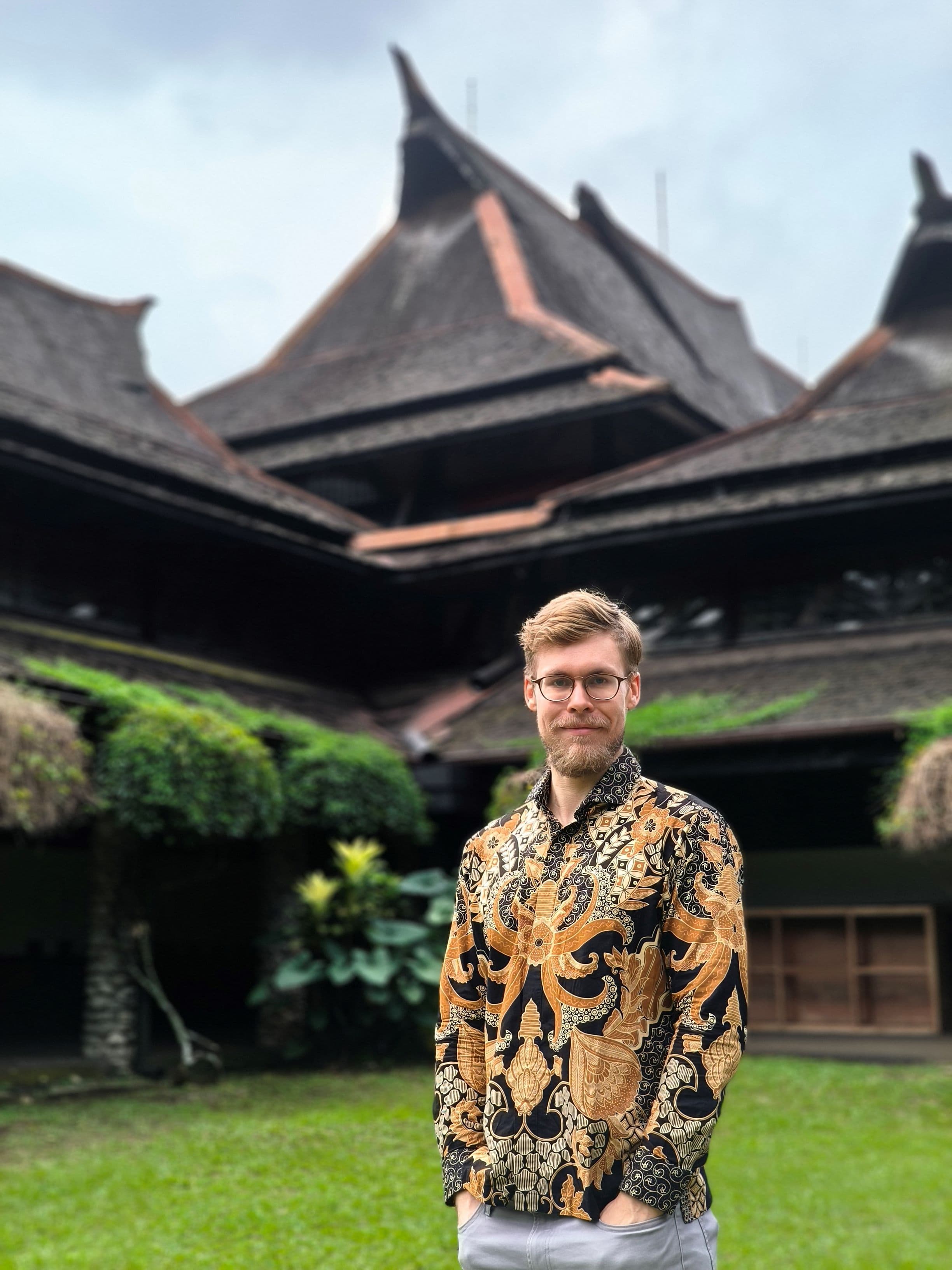
Anders Kirstein Moeller
akmoeller@u.nus.edu
Dr. Anders Kirstein Moeller is an urban and political geographer who specializes in new urban spaces in the Global South. His interest in AI lies mainly in its (mis)application to higher education and research methods.
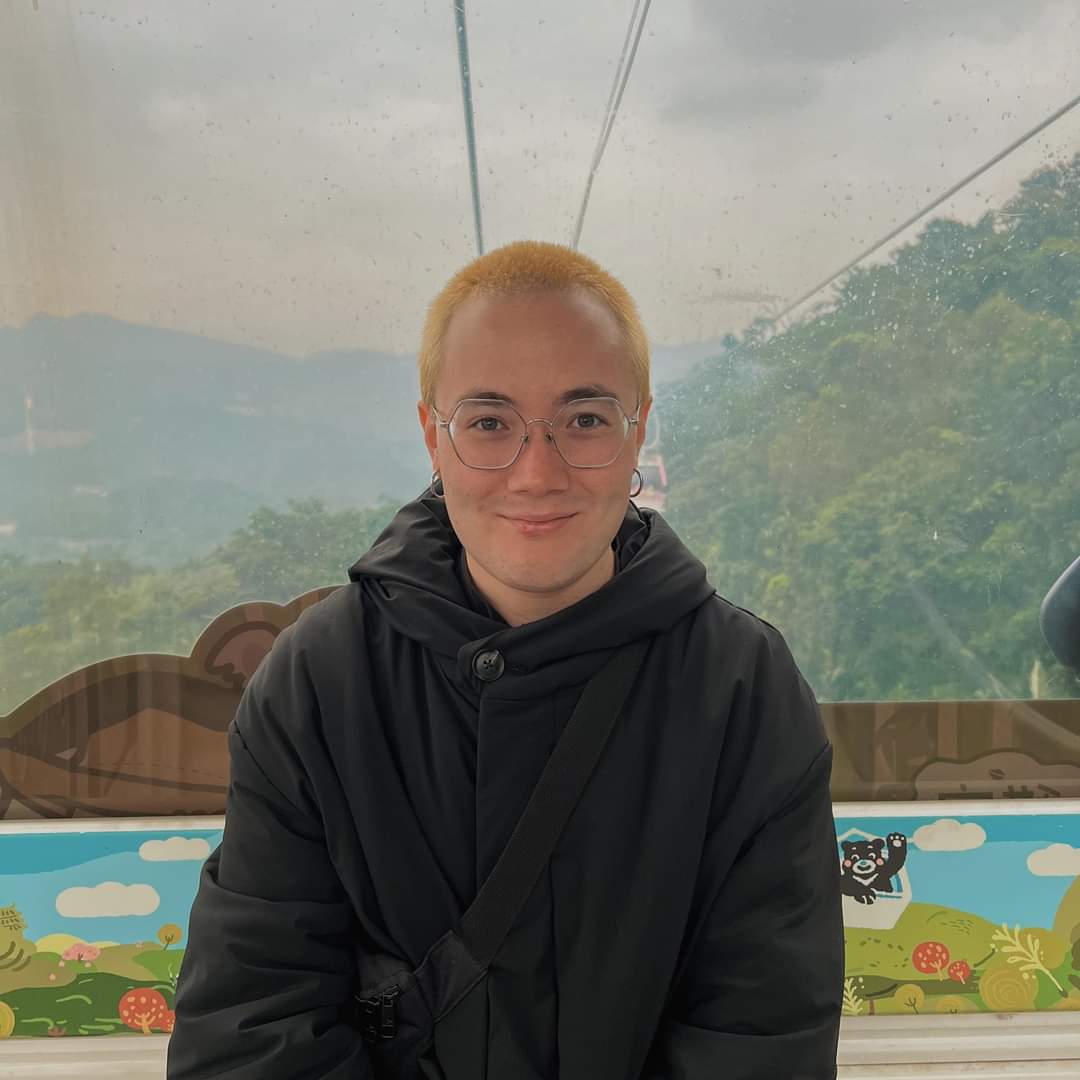
Thomas Siddall
thomas.siddall@u.nus.edu
Thomas Elias Siddall is a PhD student in geography at the National University of Singapore whose research examines the entanglements between queer people, the state, and capital in the formation of cultural districts in Asia. Their interest in AI relates to the role AI plays in capacity building and labour decapacitation.

Clansie Xiaoqian Cai
clansie.x.cai@u.nus.edu
Clansie Xiaoqian Cai is a PhD candidate in geography at the National University of Singapore whose research revolves around aesthetic politics in contemporary urbanism. Her interest in AI relates to the agency of AI in AI-powered everyday applications.
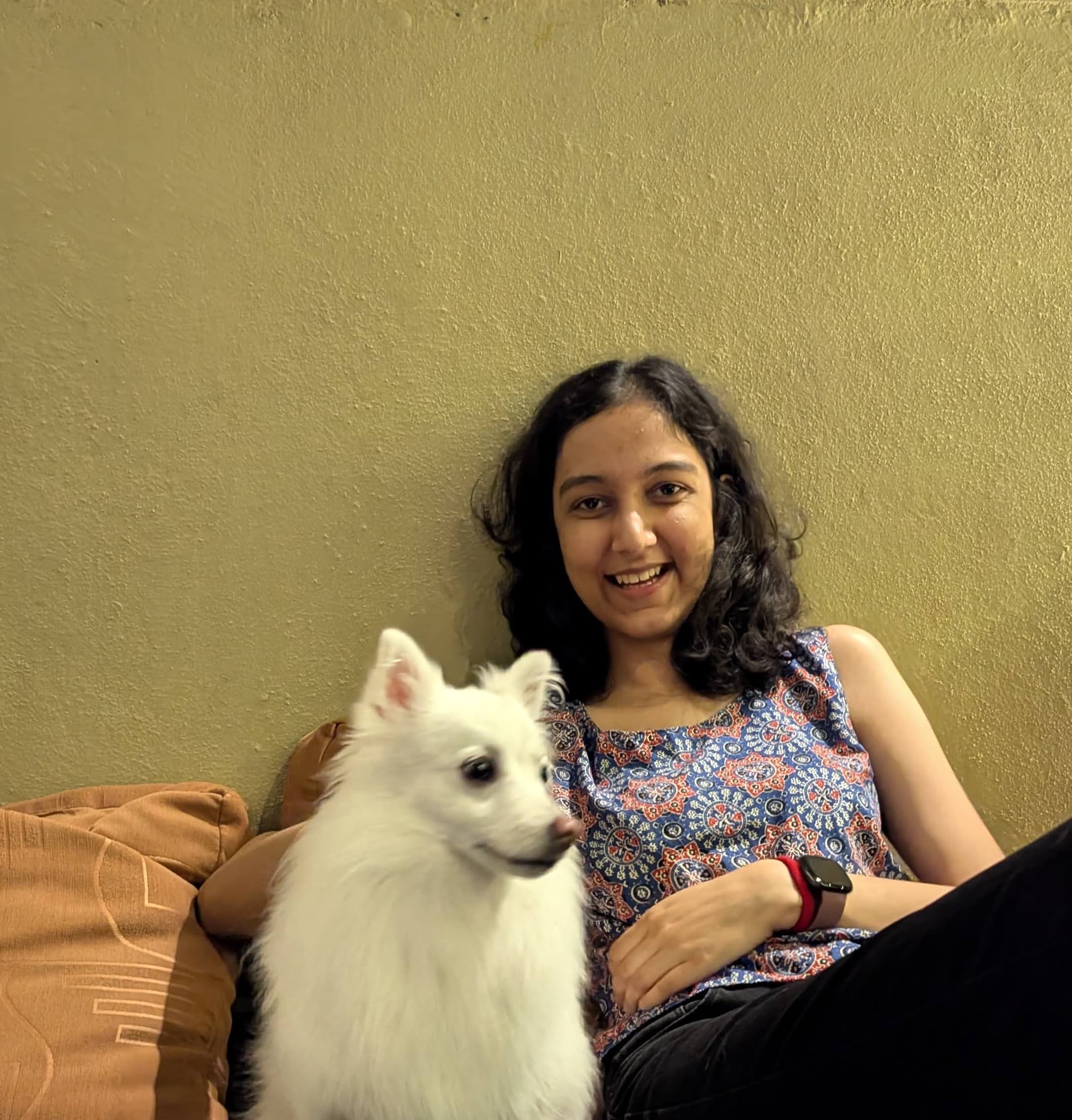
Tanya Warrier
tanya.warrier@u.nus.edu
Tanya Warrier is a Master's student in Artificial Intelligence at NUS. She has prior industry experience building applied machine-learning solutions and is particularly interested in responsible AI practices.
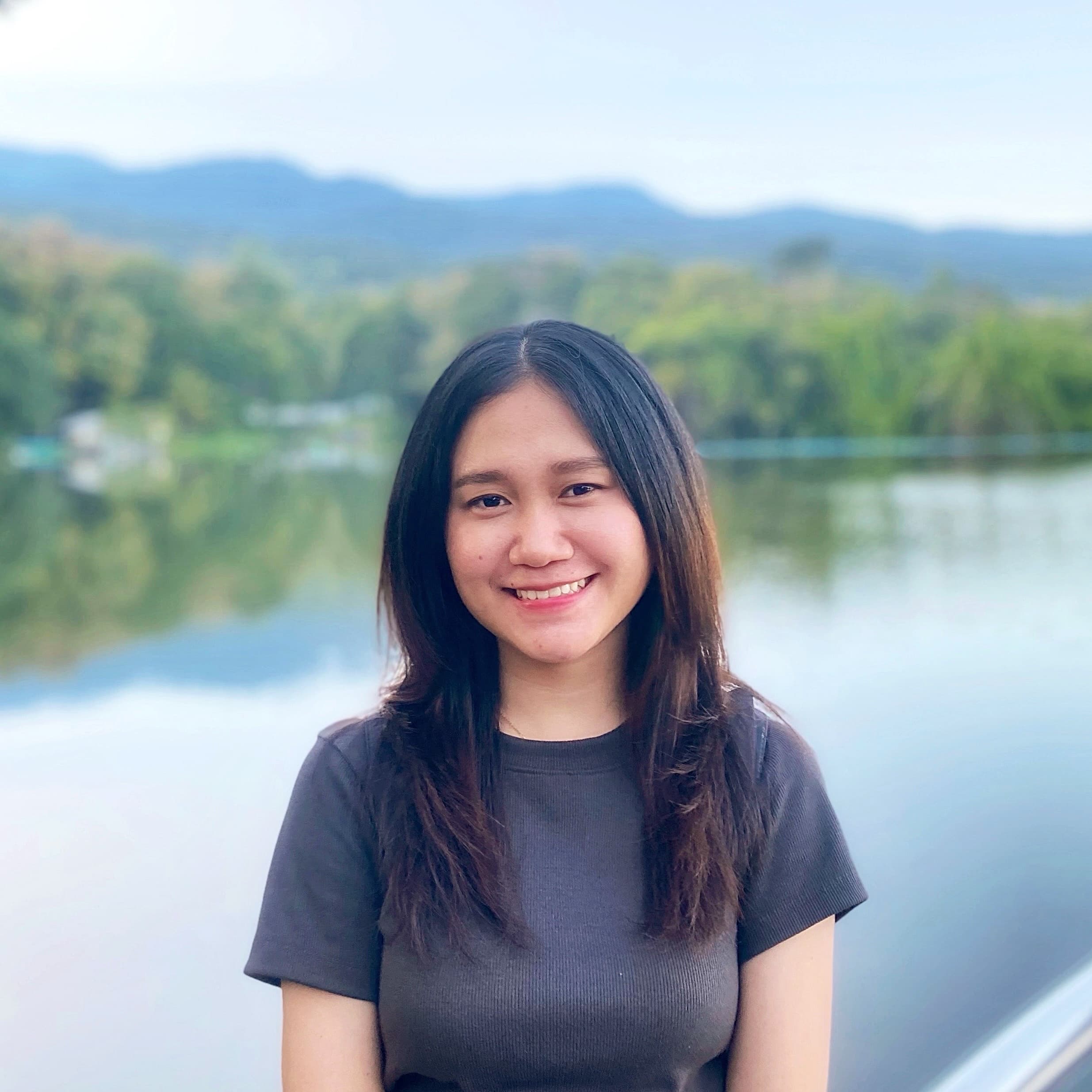
Thura Nandar Linn (she/her)
thuranandar.lin@student.mahidol.ac.th
Thura Nandar Linn completed her Master's thesis on digital literacy for women's economic empowerment at Mahidol University and works across gender, climate, and development. She focuses on AI literacy, and digital and green tech integrations that support inclusive capacity building, food security, and climate adaptation.
Shaun Chiong Shi Heng
shaunchiong@u.nus.edu
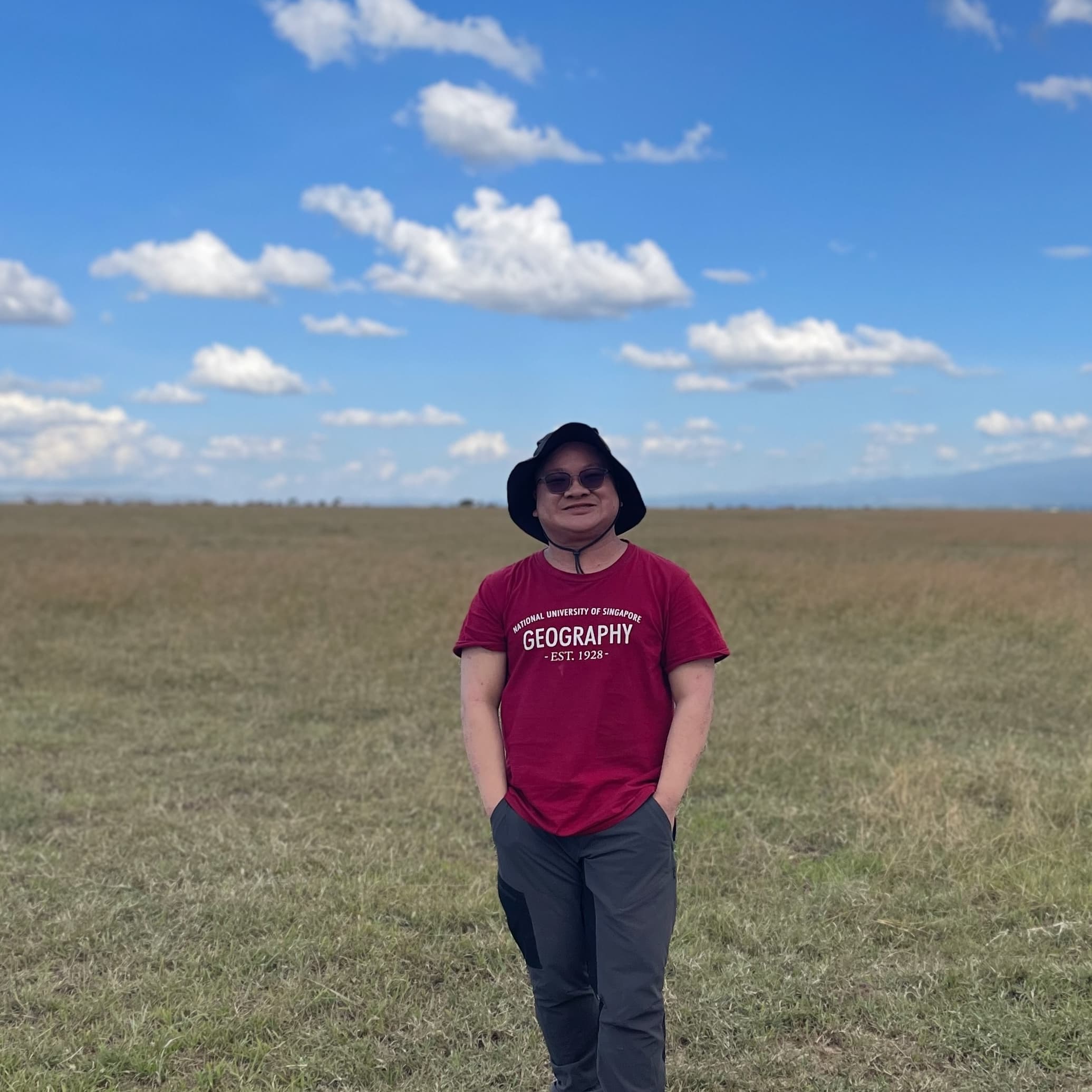
Shaun is a Master's student in Geography at the National University of Singapore whose research focuses on urban politics, with a specific interest in urban creativity and public spaces. His interest in AI centres on the ethics of knowledge production and the implications of AI technologies for urban life.

Prerona Das (she/her)
preronadas@smu.edu.sg
Prerona Das is a research fellow at the College of Integrative Studies, Singapore Management University. She holds a PhD in Geography from the National University of Singapore. Her research on AI focuses on the challenges of incorporating autonomous technologies into urban environments.

Jin L. Li
jin.li.19@ucl.ac.uk
Dr Jin L. Li is a Visiting Postdoctoral Fellow in the Department of Geography at University College London. Her research focuses on transnational mobility, family, and the global landscape of uncertainty. Her interest in AI concerns its restructuring power in daily urban life and its role in the reproduction of inequality.